
Project overview
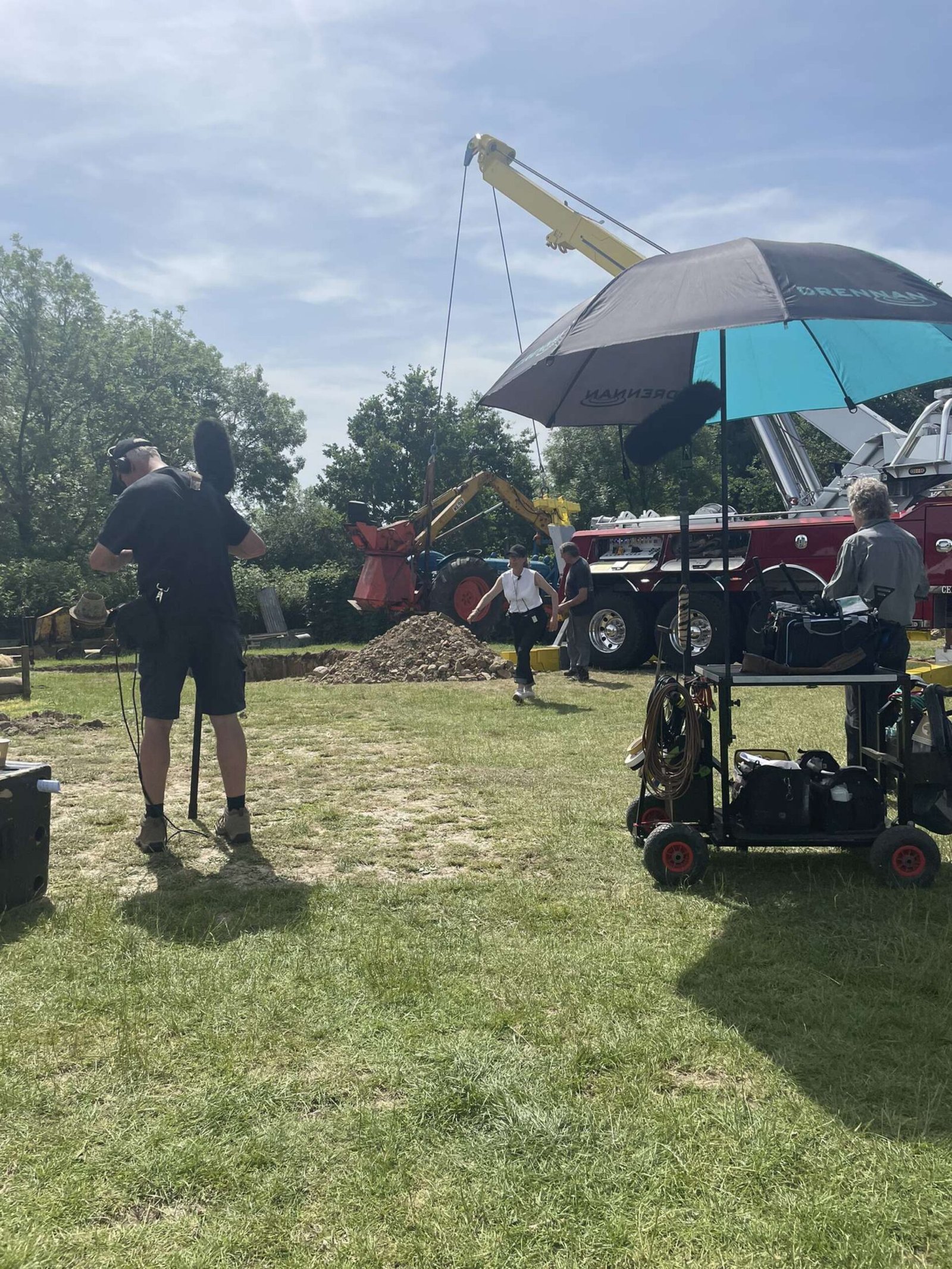
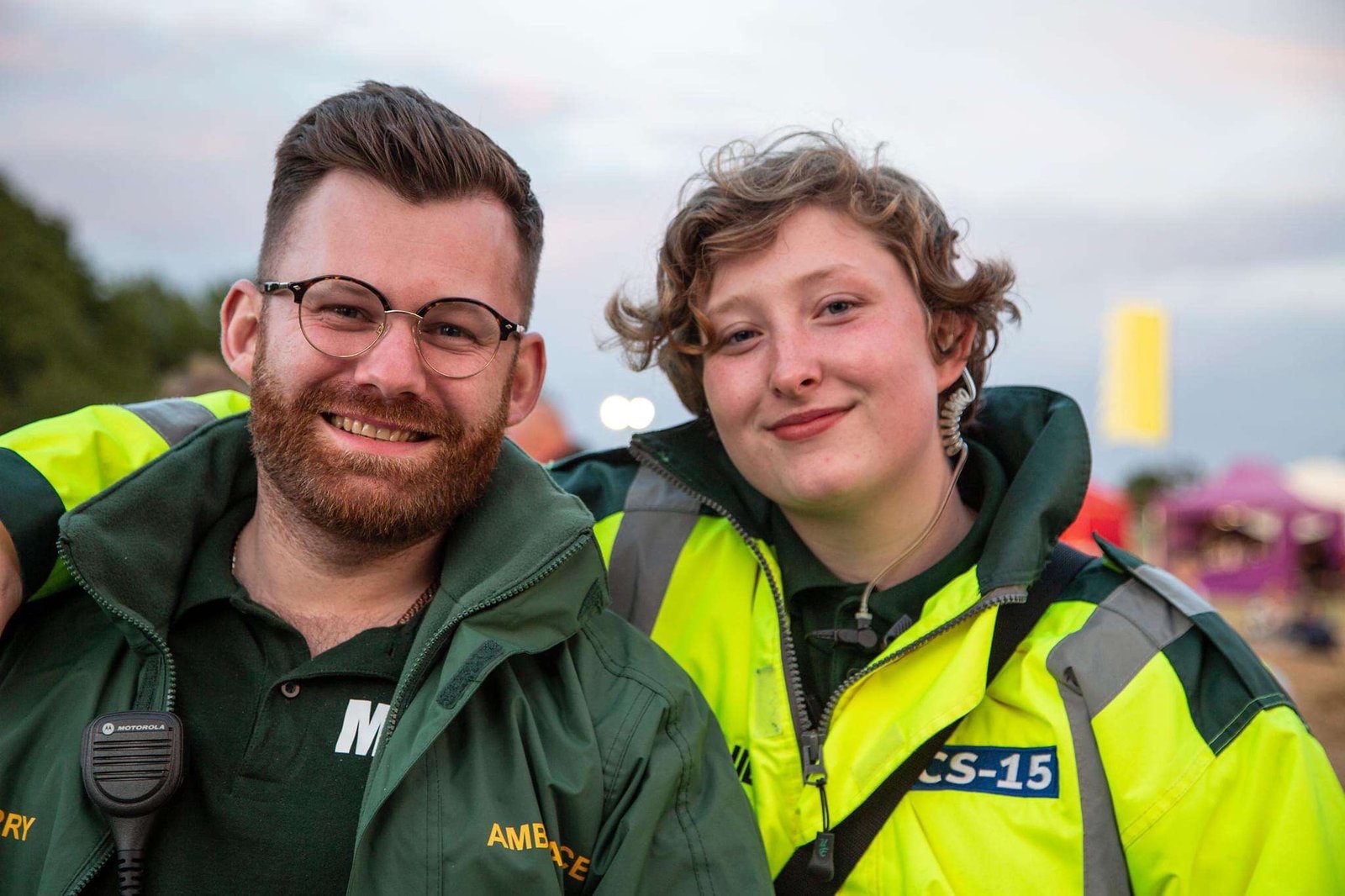
CS-15 Safety Solutions Ltd was commissioned to provide comprehensive medical cover and specialist water safety support for a confidential film production involving complex night-time water sequences.
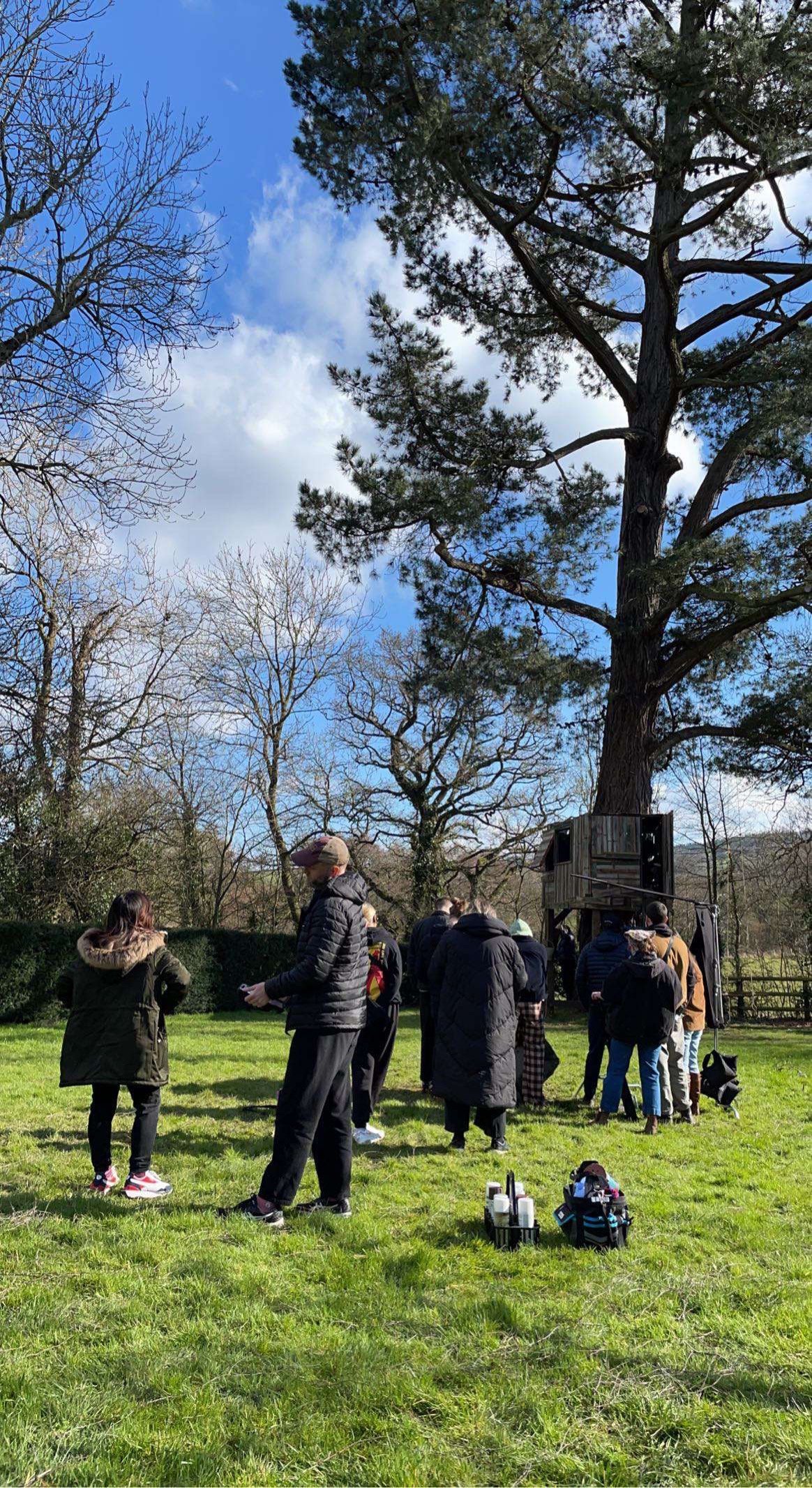
The production included a demanding stunt requiring performers to complete repeated jumps from an elevated platform into cold water. Due to the environmental risks and physical demands, the production needed a highly coordinated safety operation to protect all cast and stunt personnel.
The challenge
- Night-time filming with reduced visibility
- Repeated jumps from a raised platform into cold water
- Prolonged performer exposure to low water temperatures
- Monitoring performer fatigue and potential cold-water shock
- Maintaining safe entry and exit during continuous filming
- Keeping costumes production-accurate while protecting performers from the cold
What we delivered
- Continuous water safety supervision throughout filming
- Dedicated rescue and recovery capability in and around the water
- Real-time monitoring of performer welfare and fatigue
- Core body temperature monitoring for performers repeatedly exposed to cold water
- Controlled access and extraction procedures for every entry and exit
- Immediate medical assessment on standby throughout
A safer costume, without compromising the shot
Working with stunt coordinators and the costume department, we introduced a 7mm wetsuit integrated beneath the production wardrobe. Performers kept the required on-screen appearance while thermal protection improved significantly, reducing the risks of prolonged cold-water exposure.
Results
- All performers were safely monitored throughout filming
- Core body temperatures remained within safe operational limits
- No medical concerns or welfare issues were identified
- All water entries and recoveries were completed safely
- Filming was completed without incident or operational disruption
Outcome
Detailed planning, collaboration between the medical team, water safety personnel, stunt coordinators and costume department, and continuous welfare monitoring kept every performer safe during a technically challenging sequence.